
What Should You Know About Local SEO?
When you start your local SEO strategy, you must make sure to create quality content, contact other local businesses, and make sure you get good local links. To dominate local search, you should avoid spammy tactics such as keyword stuffing in your business name, listing inaccurate location information, or creating fake accounts. You can fight back by reporting any spam you find and pushing your profile higher in the rankings. Alternatively, you can do it yourself. This guide will explore what you need to know about optimizing for local search engines. Grow your business with this guide to local SEO and optimize your website for local search results.
What Is Local SEO?
When looking for local SEO strategies, it’s important to remember that many factors are important. It’s also important to have properly structured metadata. Adding structured data to your website can increase CTR, which increases your chances of ranking well. In addition, structured data can help enhance your product or service schema.
Local SEO is very important for businesses that rely on walk-in traffic and word-of-mouth referrals. However, word of mouth has also moved online, and search engines serve up local results whenever potential visitors search on a topic related to your business. Local SEO is a valuable tool for businesses that want to appear at the top of search engine results for relevant keywords. Social Media Today provides local SEO statistics. The website also offers information on how to improve your local SEO efforts.
How Do I Start Local SEO?
There are many ways to improve your local SEO. First, you must ensure your business is listed in major directories and guides in your area. Second, you should claim all the mentions of your business on the major directories to establish a trusting relationship with the search engines. This can help you achieve better rankings in local search results and increase your business. A social index such as the Sprout Social Index is an excellent place to start. There are also tons of helpful insights.
Third, use tools like Google Analytics or Google My Business for local seo. Google Analytics is a platform within the Google Marketing Platform that tracks and reports website traffic. It is a web analytics service provided by Google. Following the acquisition of Urchin in November 2005, Google rolled out the new service. Google Business Profile is a free product offered by Google that assists company owners in managing their online presence across the Google ecosystem, including the search engine and Google’s expanding array of utilities, such as Google Maps. Experienced SEO specialists leverage Google Business Profiles to implement a location-based approach.
How Does Local SEO And SEO Differ?
Search engine optimization has two main components – on-page signals and local SEO. On-page signals are important to help your website get noticed online. Local SEO focuses on local search signals, such as NAP (name, address, phone number). In local SEO, the main goal is to get visitors to your physical store. This type of optimization is much different from general SEO, which focuses on organic traffic.
In contrast, local SEO focuses on keyword placement in specific geographic areas. It involves creating a brand name for a business that serves the local area. For businesses with brick-and-mortar offices, local SEO can help them become more visible in local search results. Local SEO is also good for businesses operating in different cities and states. However, it’s important to note that both methods target similar positions on SERPs.
While both types of SEO are important, local SEO will allow your business to be found locally more effectively. People in unfamiliar areas tend to make decisions based on search engine results. Moreover, a high-ranking business in a specific city or neighborhood has earned the trust of local consumers. A local SEO campaign will ensure more visibility in local search results and attract more customers. Local SEO can boost your business’s visibility on Google and other search engines.
Is Local SEO Free?
There are a few that can help you with local SEO without costing you a dime. BrightLocal, for instance, is a local SEO tool suite designed specifically for local businesses. It has tools for generating reviews on local websites, analyzing local competitors, and tracking rank and performance data.
You can also use tools like google maps or google analytics. It also offers features such as client access and white-label reporting. BrightLocal is an essential part of any local SEO strategy for local businesses. It helps the audience find your business online.
When considering whether or not local SEO is free, consider the following: relevance. A website relevant to the keywords your audience is searching for will increase its ranking on search engine results pages. Relevancy also means that your website has high traffic. Google uses signals to determine the relevancy of websites, including backlinks to your website. It also measures citations on your business, which helps define your ranking in search engine results.
How Much Should I Pay For Local SEO?
Your local SEO budget will be determined by the number of physical locations you have. You will need separate Google My Business profiles and landing pages if you have more than one location. The more locations you have, the more time it will take to optimize each. Also, if you sell various products and services, your budget will depend on the number of different keywords used in your online marketing strategy.
Before beginning any local SEO campaign, you need to determine how much you can afford to spend. Consider your business goals, current marketing budget, and expected results. Competition is one of the biggest factors determining how much you can afford. If your industry is extremely competitive, you’ll need more local citations, links, and a high-quality blog to compete against your competitors. You can find a more expensive but highly-effective local SEO service if you’re prepared to pay more.
How Do I Rank My Website Locally?
If your goal is to increase your organic traffic, you must understand the basics of local SEO. Using local keywords is critical for getting high rankings on search engines. You should always add location details to your website whenever possible. While it is true that most local keywords already include location, it is still important to add extra details to signal to potential customers that your website is located in their area. To help you find the right keywords for your website, you should use a keyword suggestion tool such as Google Keyword Planner.
When optimizing for local search, the most important factor is geographic relevance. Nearly 40% of mobile searches are performed in maps or map apps, so it is vital to optimize your website for these devices. Local SEO tactics will improve your ranking in search results for your targeted area. Your website will rank better when it is updated often. If you can, use social media like Facebook to promote your content.
How Important Is Local SEO?
While you’ve probably heard about SEO, it’s not something that’ll happen overnight. Achieving a high local SEO ranking takes time, money, and human resources. If you want to get to the top of Google instantly, you’re not a good candidate for local SEO. Here’s a quick guide to the basics of local SEO. The tool can help you generate and monitor reviews on local sites, understand your local search performance, and analyze nearby competitors.
Currently, most online searchers rely on online reviews to make purchase decisions. 88% of online consumers trust reviews over personal recommendations. Local SEO is essential for businesses because consumers can easily find local businesses and leave comments. Even a single negative review can ruin a deal for a potential buyer. It’s important to remember that local SEO is critical to your marketing strategy.
If you want to dominate the local SEO game, start by listing on major directories like Google Business Profiles and Yelp. If you’re not a household name, consider listing on niche directories. Local SEO involves listing your business name and address in the major directories. In addition, creating quality content targeted to your area will increase your chances of being listed in local search results. People look for local businesses before making a purchase, so you want to be sure your business is visible to them. In addition to helping Google verify certain details about your business, you may also get a potentially beneficial backlink to boost your local search engine visibility. Its results provide the best insights into which factors influence local search visibility. To carry out SEO for a local business, you’ll perform a series of actions intended to raise local search visibility.
What Are The Benefits Of Local SEO?
The benefits of local SEO are numerous and include increased visibility in local searches. Most people trust a local business on the first page of results, so it’s vital to appear in the top five positions. Local SEO services will help you rank well on relevant queries, generating free organic traffic. It also helps your website earn better domain authority. If you’re wondering what local SEO is all about, keep reading to discover what local SEO services can do for your business. Links are also increasing in their perceived importance for “regular” local rankings. Signing up for it is free and is something every local business owner should use.
Local SEO helps your business earn more loyal customers. Studies show that returning clients are 52% more likely to buy from a business than non-returning clients. In addition, local SEO helps you earn new business by improving your online reputation. This is because the local market has already narrowed down your targeting parameters. Once potential customer visits your website, they will likely continue to purchase from you for years to come. Usually, they appear in business directories and on social media. Building Local Citations: Local citations mention your business name, address, phone number, and website (NAPW) on third-party sites such as review platforms and business directories.
Local SEO has become increasingly important for local businesses and marketers due to the explosion of mobile internet access in recent years. Keyword research in local SEO, especially in ranking factors. Having a business appear within both the main organic search results and the local map pack is a great opportunity if you are a local business.
Local SEO is the way forward if you want to get more customers to your local business from organic search. Citations are online mentions of a local business’s name, address, and phone number. Links are also increasing in their perceived importance for “regular” local rankings. This can help you rank higher locally as a result. That’s why Google’s local search algorithm includes a proximity factor, a fancy way of saying that Google considers your location when you search for a local keyword (a query with local intent).
It’s free to join, and every small business owner in your area should take advantage of it. Link building and meta descriptions are two of the best local SEO practices. Because so many people use search engines to locate local businesses, it is critical to focus on local SEO. According to Google, 30 percent of all mobile searches are based on location information. In addition to optimizing your website for local searches, writing content specifically for a local audience is a good idea. But it’s not enough to simply optimize your website for local searches. You’ll need to learn about local search engine optimization (SEO) to be more visible to local customers online.
For local SEO to work, you must make it clear to search engines that your business is located in a specific location and that you want to be found by customers in that location. To check a query for local intent, Google it and check the results. It has local intent if there’s a map pack and some local “blue link” results.
According to Google, 80% of users make online searches for local companies, whereas 50% of users conduct a local search on their mobile device for a business visit that business’s shop within a day of searching. However, businesses consistently fail to take advantage of local SEO’s benefits. Don’t act like such a professional. Instead, you should use the advice and suggestions presented in this book to get started with local SEO.
One of the most interesting things about the Rainmaker Reputation AI CRM is it's revelatory power in the effectiveness of SEO campaigns, and making sure every Search lead is connected with the brand. Book a demo today to see how!
Rainmaker Reputation is a former SEO agency, we now deliver visibility results for local brands with software, automation, and effective marketing plans that can be executed by our CRM. Imagine getting to the next level with an All In One CRM that just makes life easier.
Mobile App Internal Comments (2026) — Rainmaker Reputation
Mobile App Internal Comments (2026) — Rainmaker Reputation
Here's what nobody in your industry will tell you: the sale rarely dies in your marketing. It dies in the dead air between a customer's question and your team's answer — frantic group text, the hallway guess, the "I'll call you back" that never gets called back.
We've just added mobile app internal comments to the Rainmaker Reputation CRM: private team notes you can drop inside any customer conversation, right from your phone — visible to your team, invisible to the customer. One voice in front of the customer. Full strategy behind the scenes.
What are mobile app internal comments?
They're private notes your team attaches to a customer conversation from the mobile app — and the customer never sees them. Tap the comment icon next to the microphone, write the note, and it lands in the thread as an amber bubble for your team's eyes only. Type @ to tag the right teammate, hit Post, and the composer snaps back to the customer channel.
Why do most teams fumble customer conversations?
Because the strategy lives in three different places. The tech texts the dispatcher on WhatsApp. The dispatcher leaves a sticky note. The owner finds out Thursday. Three ways that kills money:
- Two people answer the same customer two different ways. One quotes Tuesday, the other says "let me check." The customer buys from the company that sounded sure.
- Strategy talk leaks into the conversation. "Charge them extra for Saturday" pasted into the customer chat is something you never live down.
- The customer waits while you hunt for who knows. Speed to lead isn't a slogan. The fast responder gets the job.
How do you set up internal comments in the mobile app?
Four taps, Monday morning:
- Open any conversation in the mobile app.
- Tap the comment icon next to the microphone — it switches to a private, amber-colored mode.
- Type your note and @-tag the teammate who needs it.
- Tap Post. The note drops in for your team only, and the composer returns to the customer channel.
How is this different from texting your team in a group chat?
Group chats separate the note from the conversation — and separation is where context goes to die. The internal comment sits inside the thread it belongs to, right above the message it answers. Everything in your unified inbox finally works like one desk instead of five.
Who should use this — and who should skip it?
Best for: any business where two or more people touch customer messages — the plumber with a dispatcher, the med spa with a front desk and techs, the consultant with a VA. If customers text you and a team answers, this is for you.
Not for: the solo operator who answers every message personally. There's nobody to coordinate with — skip it, guilt-free.
What's the trade-off?
Honest answer: the feature is only as disciplined as the team. Private notes don't fix a crew that never tags each other — they just give the chaos an amber bubble. And it's mobile-app only today. If you'll build the tagging habit, the payoff is real.
What does this do to your bottom line?
Faster coordinated answers win the job — that's speed to lead, pure and simple. And consistent answers build trust, the raw material of client retention. Every time a teammate's private note keeps a wrong answer out of a customer's thread, this feature paid for itself.
Amateurs coordinate in the customer's inbox. Professionals coordinate behind it.
Decision & Action Time. Open the mobile app Monday morning, tap the comment icon, and leave your first internal note. The first time a teammate's private heads-up saves you from answering a customer wrong, you'll wonder how you ran the business without it. Now, what are you waiting for?
P.S. Still coordinating customer work across five apps? Our marketing technology puts the conversation, the team notes, and the follow-up in one place — the customer relationship at the center, one confident voice talking to them. Worth a look.

FEATURES
Social Media Management
AI Agents
Search Optimization A.I. Agent
Review Collecting Systems
Forms & Surveys
Online Appointment Booking
Membership & Course Builder
Automated Nurture Sequence
Email & SMS
Phone System & Autodialer
Learn More

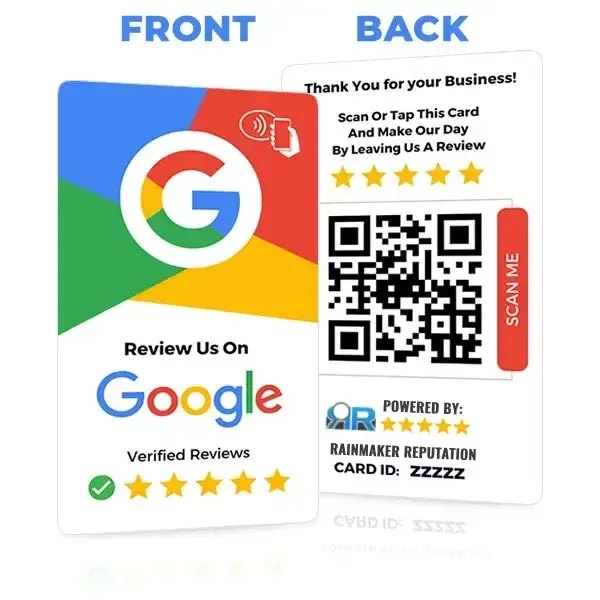


Rainmaker Reputation AI CRM is a CRM & AI Automation suite that helps Local Brands, Business Coaches & Content Creators solve the problem of how to properly connect with prospects & customers in order to build profitable momentum & growth through getting their businesses more reviews, better reputations in their markets, & automated simplified CRM processes.